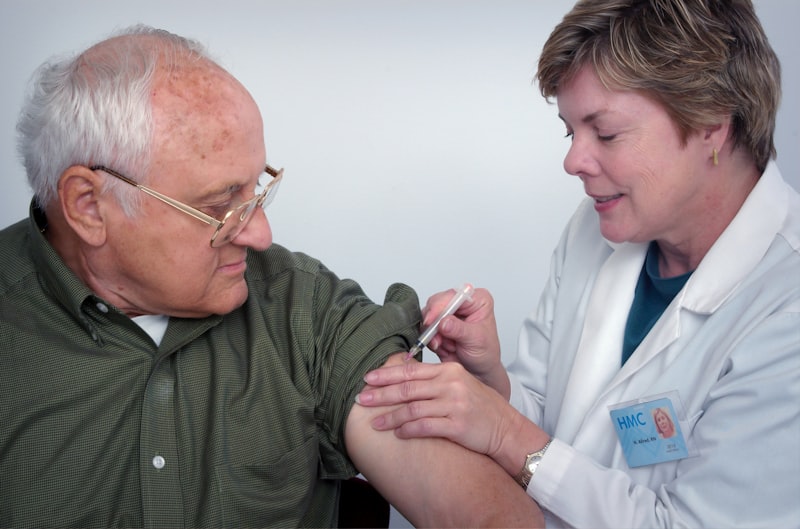

Personal care assistants and care workers play an essential role in the lives of many Australians with disabilities. They assist with daily living tasks, provide personal care, and help people navigate their environments. But there's a distinct and important difference between a care role and a friend — and that difference matters deeply for quality of life.
Care vs. Friend: What's the Difference?
A care worker's primary focus is on assistance — helping someone do what they need to do. The relationship is professional and care-focused, and often task-oriented.
A friend's primary focus is on connection — being with someone, sharing experiences, and providing genuine social warmth. The relationship is still professional, but its purpose is friendship-like: mutual enjoyment, shared interest, and authentic interaction.
People with disabilities deserve — and benefit from — both.
Why Social Connection Matters for People with Disabilities
Research consistently shows that people with disabilities experience disproportionately high rates of social isolation. Barriers to participation — physical, communicative, attitudinal — can make it harder to maintain friendships, join community activities, or simply get out and about.
The consequences are significant: higher rates of depression and anxiety, reduced cognitive engagement, and lower overall quality of life.
A support plan focused entirely on functional assistance without addressing social participation is missing something critical.
What Great Disability Connection Looks Like
The best disability friends:
Lead with personhood, not disability. They engage with you as a full person — interested in your opinions, your humour, your passions — not just your practical needs.
Are flexible and creative. They problem-solve access barriers without making them the focus of every interaction.
Have genuine warmth. This can't be faked. The best friends genuinely enjoy the time they spend together.
Understand boundaries. Professional connection means being clear about what the relationship is — and being consistent in maintaining those boundaries.
Are reliable. For people with disabilities, consistency matters enormously. Knowing that your friend will show up, on time and in good spirits, is foundational.
Private-Pay Connection and Funding Considerations
Want Some Company is not currently a registered NDIS provider. Bookings on the platform are general private-pay connection services. Whether a private-pay booking might be reimbursed through an NDIS plan, My Aged Care or another government program depends on many factors, including the participant's individual plan, how their funding is managed and applicable rules. Want Some Company does not process NDIS claims or plan-manager invoices and does not guarantee reimbursement. Always obtain your own independent advice before booking.
If you're living with disability and want more social participation, genuine connection, and shared experiences — friend services may be exactly what you're looking for.